Acupuncture For Chronic Back Pain
Chronic back pain is not always a sharp or dramatic pain.
For many of the people I see in clinic, it is much more persistent: a dull ache across the lower back, stiffness first thing in the morning, a feeling that the back is tired or weak, or discomfort that gradually increases towards the end of the day.
Sometimes scans show degenerative changes; sometimes there is very little to explain why the pain has continued. This is where I find it useful to look at the person as well as the painful area.
Acupuncture has been studied extensively for chronic musculoskeletal pain. A large individual-patient meta-analysis by Vickers and colleagues concluded that acupuncture had an effect on chronic pain beyond that seen with sham acupuncture, although the difference was modest.
A Cochrane review specifically looking at chronic non-specific low back pain found a more mixed picture. Acupuncture appeared more beneficial than receiving no treatment and could improve function compared with usual care, while differences compared with sham acupuncture were smaller and not always clinically important.
For me, this fits with what I see clinically: acupuncture is rarely about finding one magic point. Treatment works best as part of a wider approach to pain, movement, muscular tension, recovery and lifestyle.
The Chinese medicine view of a dull, aching back
Traditional Chinese medicine describes several different patterns of back pain.
When lower back pain is dull, persistent and associated with weakness or fatigue, particularly when the back feels worse after a long day or after over-exertion, I may consider an underlying deficiency pattern involving the Kidney energy.
Signs that can accompany Kidney Qi deficiency may include:
Weakness or tiredness through the lumbar area
Knees that feel weak or easily fatigued
Reduced overall energy
Frequent urination or waking to urinate
Symptoms that become worse when exhausted
If there is more Kidney Yang deficiency, I would expect additional signs such as feeling cold, cold feet, a preference for warmth, reduced energy and a back that often feels better with a heat pack or warm shower.
This doesn't mean that somebody with back pain has a problem with their anatomical kidneys. In Chinese medicine, “Kidney Qi” and “Kidney Yang” describe a traditional functional pattern rather than kidney disease.
There can also be Qi stagnation alongside the deficiency.
Long periods sitting at a desk, stress, reduced movement, muscular guarding or simply living with pain for months can contribute to a feeling of restriction. The back can therefore be both weak underneath and extremely tight on the surface.
This is why I don't treat every chronic back in exactly the same way.
How I treat chronic back pain
At the first treatment I look at how the pain behaves, what aggravates it, your movement and posture, and which muscles and acupuncture channels are particularly tender or restricted.
Treatment may involve a combination of:
Local and distal acupuncture points
Trigger or motor-point needling where appropriate
Electroacupuncture for some musculoskeletal presentations
Heat therapy or moxibustion when there is a clear cold/deficiency presentation
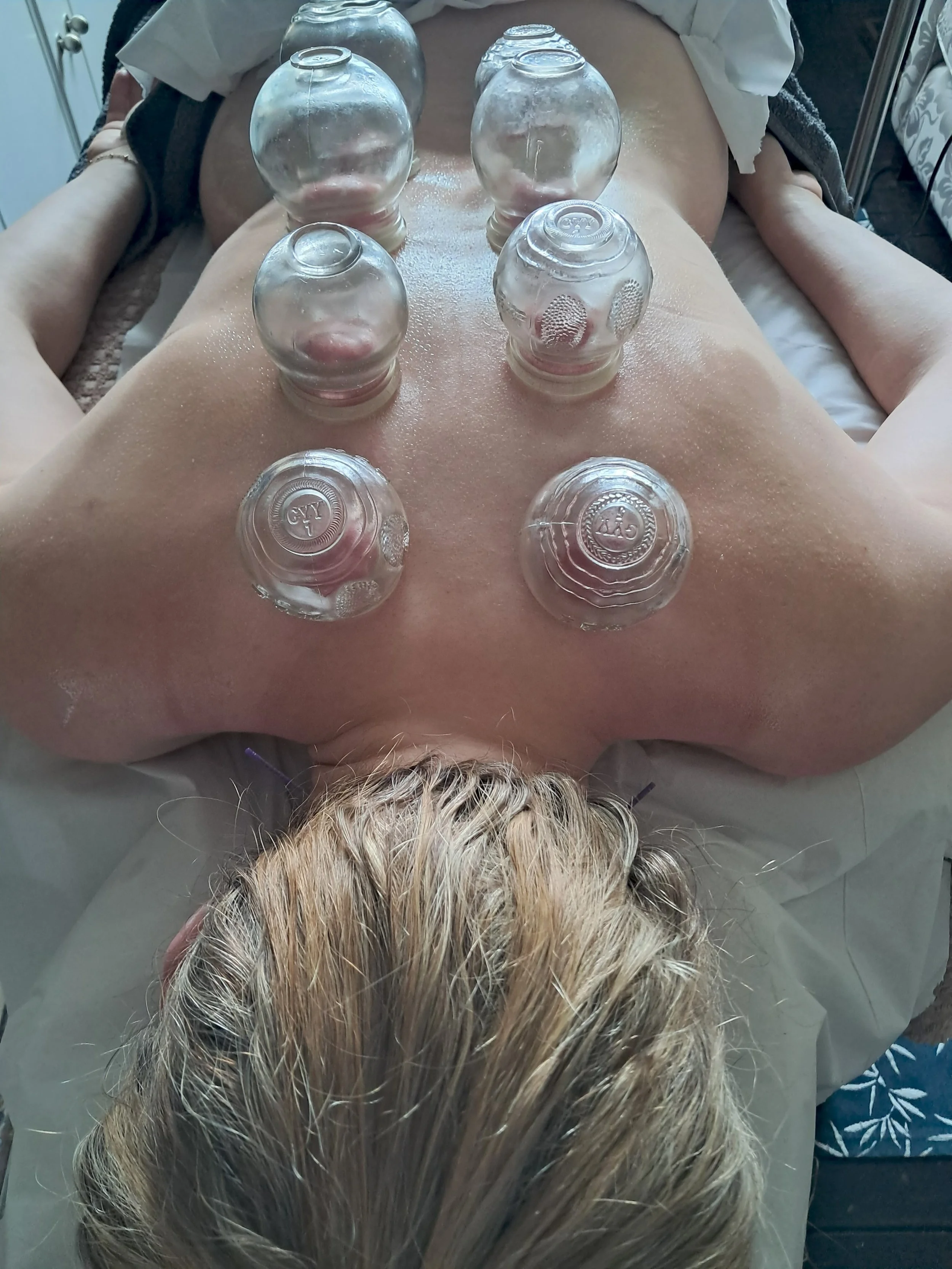
Massage or cupping to address muscular restriction
For longstanding pain, I normally prefer to begin with weekly acupuncture treatments. This gives us enough continuity to see how the back responds from week to week. After several treatments we can review changes in pain, stiffness, movement, sleep and how long the improvement lasts, before deciding whether treatments can be spaced further apart.
What you do between treatments matters too
Chronic backs usually benefit from movement rather than prolonged rest. NICE recommends encouraging people with low back pain to continue normal activities and considers exercise an important part of management.
Depending on the individual, I may suggest:
Regular walking rather than long periods of sitting
Gentle mobility first thing in the morning
Gradually rebuilding glute, hip and core strength
Taking regular breaks from desk work
Keeping the lumbar area warm if cold noticeably aggravates symptoms
Prioritising sleep and recovery
Avoiding the cycle of doing too much on a “good day” and then being unable to move the following day
Movement should be progressive and appropriate to your individual back rather than forced through significant pain.
When should back pain be investigated?
Caution is needed if pain is complcated by new neurological symptoms, significant leg weakness, altered bladder or bowel control, numbness around the saddle area, unexplained weight loss, fever, significant trauma or unusual and rapidly worsening pain require medical assessment.
Booking acupuncture for chronic back pain
If you have been living with a stiff, aching or persistently tight lower back, acupuncture can form part of a broader approach to getting you moving more comfortably again.
Your first session includes a full consultation, assessment and acupuncture treatment. For chronic problems I generally recommend starting with weekly sessions so that we can properly assess your response and adapt treatment as your back begins to change.
Click the link to book in, or contact for more information.
Acupuncture — Ugly London. Acupuncture & Chinese Herbal Medicine
Vickers AJ et al. Acupuncture for Chronic Pain: Update of an Individual Patient Data Meta-Analysis. Journal of Pain. 2018;19(5):455–474.
Mu J et al. Acupuncture for chronic nonspecific low back pain. Cochrane Database of Systematic Reviews. 2020.
NICE NG59. Low back pain and sciatica in over 16s: assessment and management.
Traditional Chinese medicine discussion informed by established TCM pattern differentiation as described in texts including Maciocia's The Foundations of Chinese Medicine.